Start with the medical context
High blood glucose can indicate a medical condition that deserves testing and care. A supplement cannot diagnose the cause of symptoms or substitute for prescribed therapy.
What NCCIH says about evidence
NCCIH notes that studies have examined chromium, magnesium, cinnamon, berberine and other supplements, but results vary and many studies have limitations. For most supplements, there is not enough evidence to support a clear benefit for diabetes or its complications.
Four things that make a supplement easier to evaluate
A product becomes easier to assess when the label is complete and the marketing is specific rather than absolute.
- Exact serving size and ingredient amounts
- Clear chemical forms or standardized extracts
- Realistic structure/function language rather than disease-treatment promises
- A transparent refund and customer-service process
Medication review is not optional for everyone
If you take glucose-lowering medication, adding a supplement with similar positioning can change the overall risk picture. Ask a clinician or pharmacist to review the full label.
A good comparison framework
Compare products on format, complete label, dose, stimulant content, duplicated nutrients, interactions, total cost and refund terms. Do not use star ratings or ingredient count as substitutes for evidence.
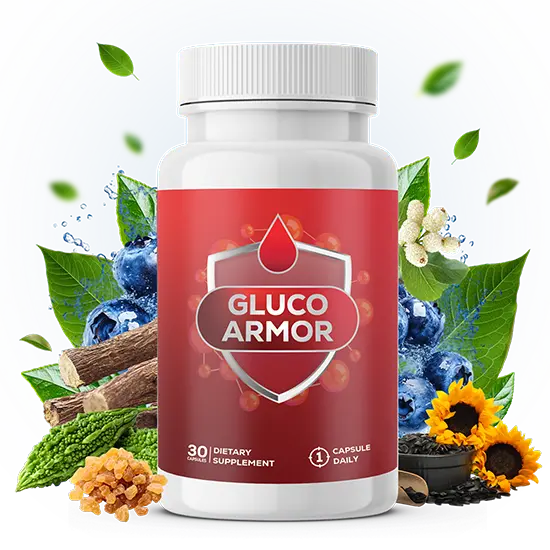
Where Gluco Armor fits
Gluco Armor sits in the capsule-format, multi-ingredient part of the category. Its merchant emphasizes a 20-ingredient formula and a 90-day refund window. Our dedicated review separates those transaction facts from clinical evidence.